

Uncategorized
- Home
- News
- Uncategorized
Deforestation: The Threat to Ecosystems and the Loss of Animal Habitats
webadmin
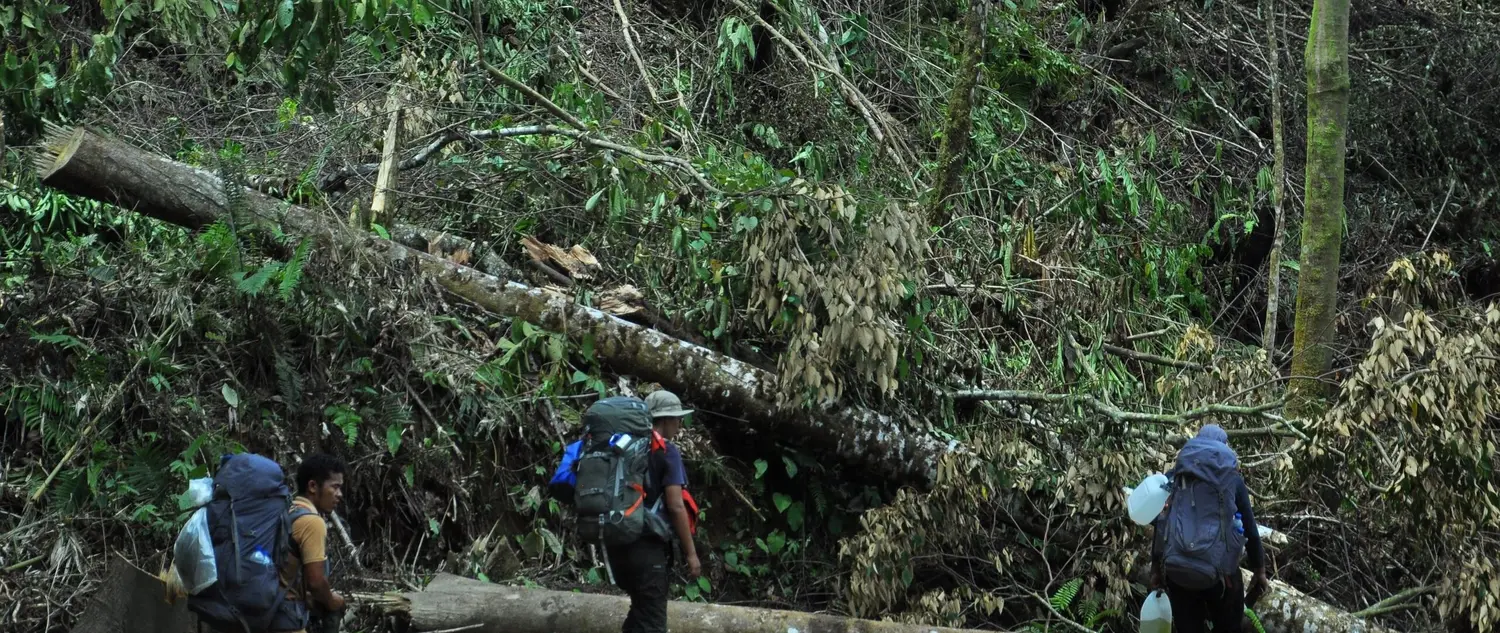
Deforestation has become one of the most pressing environmental issues threatening the planet today. Human activities, such as logging for agricultural expansion, industrial purposes, and the creation of settlements, have caused severe environmental damage. This process not only threatens the survival of plants and trees but also destroys the natural habitats of many animal species that rely on these forests.
Causes of Deforestation
The main cause of deforestation is human demand for expanding agricultural land, plantations, and industrial development. In many developing countries, activities such as palm oil plantations, mining, and farming have been rapidly growing without considering the long-term environmental impact. The clearing of land for housing and infrastructure development has further exacerbated the situation. Additionally, illegal logging by individuals or groups has significantly worsened the already severe forest destruction.
Impact of Deforestation on Ecosystems
Forests play a vital role in maintaining the balance of the Earth’s ecosystems. They act as carbon dioxide absorbers, oxygen providers, water cycle regulators, and habitats for thousands of plant and animal species. When forests are cleared, all these functions are disrupted, leading to widespread ecosystem damage.
One of the most significant impacts is climate change. Tropical forests, such as those in the Amazon, have an extraordinary ability to absorb carbon. When these forests are cut down, the carbon stored in the trees is released into the atmosphere, worsening global warming. Additionally, deforestation affects rainfall patterns, increasing the risk of natural disasters like floods and landslides.
Loss of Wildlife Habitats
In addition to the general impact on ecosystems, deforestation causes the loss of habitats for many species of wildlife. Tropical forests, for example, are home to thousands of endemic species that cannot be found anywhere else. Orangutans, Sumatra tigers, elephants, and many other animals live in these forests. When the forests are destroyed, these animals lose their homes and food sources, which puts them at risk of extinction.
The loss of habitats also forces wildlife to adapt to a damaged environment, often leading them to enter human settlements in search of food. This increases human-wildlife conflict. Over time, if deforestation continues, we may lose many irreplaceable species.
Solutions and Mitigation Efforts
Addressing this issue requires collective action from all parties. Governments must be firm in enforcing laws protecting forests and stopping illegal logging activities. At the same time, communities need to be empowered to understand the importance of forest conservation and support environmentally friendly activities, such as tree planting and sustainable resource use.
Industries also play a significant role in reducing the impact of deforestation by adopting sustainable practices, such as certification for environmentally friendly products and the use of raw materials that do not harm forests. Additionally, global efforts like international agreements on carbon emission reduction and forest conservation need to be promoted to achieve long-term solutions.
Conclusion
Deforestation is a serious issue that affects not only global ecosystems but also the lives of many species that rely on forests as their habitat. To prevent further damage, cooperation between governments, communities, and industries is essential to protect our forests. Only through responsible actions can we maintain the balance of nature and ensure the survival of species threatened by deforestation.
Other News